Challenge
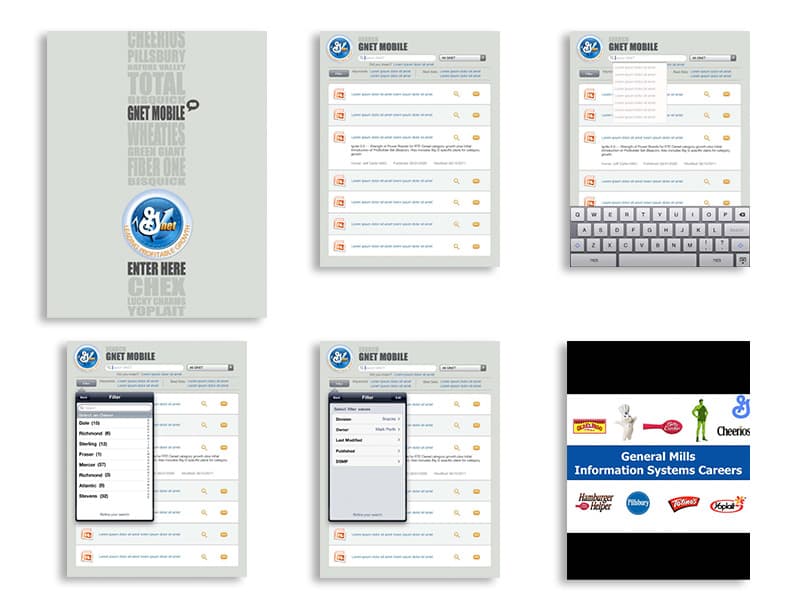
Users needed efficient mobile flows under real-world constraints, but legacy patterns introduced extra taps and avoidable cognitive load.
Featured Case Lens
Explore how I framed the problem, prioritized decisions, and measured confidence in the final UX direction.
Problem Space
Users needed to complete high-frequency actions quickly, often while multitasking in constrained contexts.
Challenge
Users needed efficient mobile flows under real-world constraints, but legacy patterns introduced extra taps and avoidable cognitive load.
Approach
I prioritized core journeys, tightened interaction states, and validated prototypes with scenario-based reviews focused on speed and comprehension.
Outcome
The final direction improved mobile flow efficiency, reduced task friction, and gave product teams a stronger foundation for iterative release planning.
Interactive Example
Slide to compare this project against a prior-state visual reference. This module demonstrates how Jesse presents UX impact in a narrative format stakeholders can absorb quickly.
Extended Narrative
This mobile work focused on simplifying high-frequency user actions. The existing flow patterns required too many taps and introduced cognitive overhead for tasks people needed to complete quickly.
I prioritized the core journeys first, then used iterative prototypes to test task rhythm and handoff logic. Each round focused on reducing effort while preserving confidence.
The design direction improved flow efficiency and gave teams a stronger mobile interaction system for future releases.
Execution Timeline
Clarify goals, stakeholder constraints, and user priorities through focused workshops.
Create journey flows, wireframes, and information structure that reduce decision friction.
Iterate prototypes with feedback loops to improve usability and confidence before build.
Support implementation and QA so the final experience preserves intent and quality.
Next Case Story
I designed a people-centered digital experience for Babson College focused on intuitive navigation and stronger day-to-day usability.